







Winning strategies for gambling a comprehensive guide to success
Understanding the Basics of Gambling
To embark on a successful gambling journey, it is crucial to understand the fundamental concepts of various games. Gambling encompasses a variety of activities, including poker, blackjack, roulette, and sports betting, each with its own set of rules and strategies. For beginners, learning about these basics is essential, as it will significantly improve their chances of success, especially when exploring aussie online casino real money. Knowing how each game works allows players to make informed decisions, which is essential in high-stakes situations.
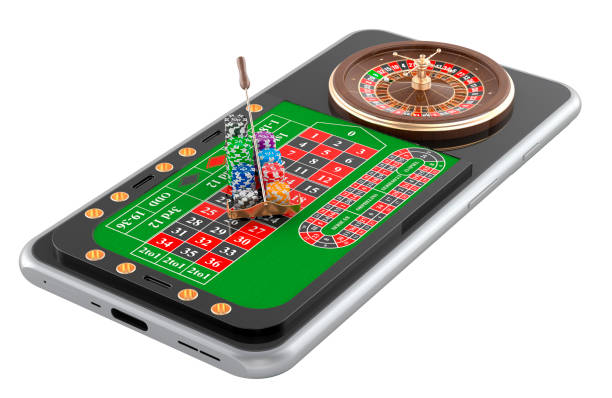
In addition to understanding the rules, it’s vital for beginners to learn about the odds and probabilities associated with each game. Each form of gambling has different odds, which can influence the likelihood of winning. For example, in blackjack, players can potentially reduce the house edge through strategy, whereas games like slot machines may offer lower probabilities of winning. A grasp of these concepts can empower players to choose games that align with their risk tolerance and overall strategy.
Moreover, many casinos provide resources and tutorials on their websites or in-house to help newcomers understand the games better. These resources can be invaluable for gaining insight into strategies and house rules. Taking advantage of these offerings not only builds confidence but also prepares beginners for the realities of gambling, making them more competitive players in the long run.
Bankroll Management Techniques
Effective bankroll management is a cornerstone of successful gambling. Players must set a budget before engaging in any gambling activity and stick to it rigorously. This means determining how much money you are willing to risk and treating it as an entertainment expense rather than an investment. By establishing a fixed bankroll, players can avoid the common pitfall of chasing losses, which often leads to further financial woes.
In addition to setting a budget, another crucial aspect of bankroll management is understanding when to walk away. This requires self-discipline and emotional control. A player should establish win and loss limits, such as walking away after winning a certain amount or losing a set percentage of their bankroll. These limits help maintain a healthy gambling experience and can prevent the emotional rollercoaster that often accompanies gambling.
Furthermore, players should regularly assess their bankroll and adjust their betting sizes accordingly. For instance, if a player’s bankroll has shrunk significantly, it may be wise to lower their stakes to prolong their gambling experience. On the other hand, if a player is on a winning streak, they might consider increasing their stakes cautiously. This strategic approach ensures that players remain engaged without jeopardizing their financial health.
Developing Effective Strategies for Different Games
Each gambling game requires its own strategic approach. For example, poker is a game of skill and psychology, where understanding your opponents can give you a significant edge. Beginners should focus on learning the fundamentals of poker strategy, including hand rankings, bluffing techniques, and position play. Mastering these aspects can enhance decision-making skills and create more opportunities for winning pots.
In contrast, games like blackjack offer players a unique advantage through the use of mathematical strategies, such as card counting. While this technique requires practice and skill, it can significantly reduce the house edge if implemented effectively. Beginners should start by learning basic strategy charts that outline the best possible moves based on the dealer’s upcard and their own hand. These charts provide a quick reference, enabling players to make optimal decisions during gameplay.
For casino games that rely on chance, such as slots or roulette, developing a strategy might involve selecting games with higher payout percentages or utilizing betting systems like the Martingale approach. However, players must remember that no strategy can guarantee consistent wins. The key is to enjoy the experience while implementing these strategies to enhance the chances of success over the long term.
Emotional Control and Discipline
Gambling can evoke a wide range of emotions, from excitement to frustration. Therefore, maintaining emotional control is critical for long-term success. Players should recognize the psychological aspects of gambling, such as the impact of winning and losing streaks on their mental state. Understanding these emotions can help players make rational decisions rather than impulsive ones driven by highs or lows.
One useful technique for maintaining emotional balance is to take breaks during gambling sessions. Stepping away from the table or the gaming machine can allow players to reassess their strategies and calm their minds. Additionally, players should focus on the social aspects of gambling, enjoying the company of friends or fellow players, which can help mitigate emotional volatility and foster a more enjoyable experience.
Another important factor in emotional control is avoiding the pursuit of losses. Many players fall into the trap of trying to win back what they’ve lost, which often leads to even greater financial losses. Establishing clear boundaries and sticking to predetermined limits can help mitigate this temptation. Understanding that gambling should be primarily for entertainment can shift the mindset from one of desperation to one of enjoyment.

Resources and Tools for Gamblers
As gambling continues to grow in popularity, numerous resources and tools have emerged to help players improve their skills and knowledge. Many online platforms offer tutorials, forums, and even free play options where beginners can practice without financial risk. Engaging with these resources can bolster a player’s understanding of various games and their strategies, making the learning process both informative and enjoyable.
Additionally, various software and apps can assist players in tracking their gambling habits. These tools can provide insights into spending patterns, helping players to identify when they might need to cut back. By analyzing their gambling behaviors, players can develop healthier habits and ensure that they are engaging in gambling responsibly.
Furthermore, players should also be aware of the support options available should they encounter difficulties with gambling addiction. Organizations and hotlines dedicated to responsible gambling provide invaluable support and information to those in need. Understanding that help is available is an essential part of enjoying gambling safely and responsibly.
