





That’s when it finally hits you. You aren’t actually looking for a pile of cash to spend; you’re trying to bridge a gap between what’s in your bank account today and what you’ll need to cover by next Tuesday.
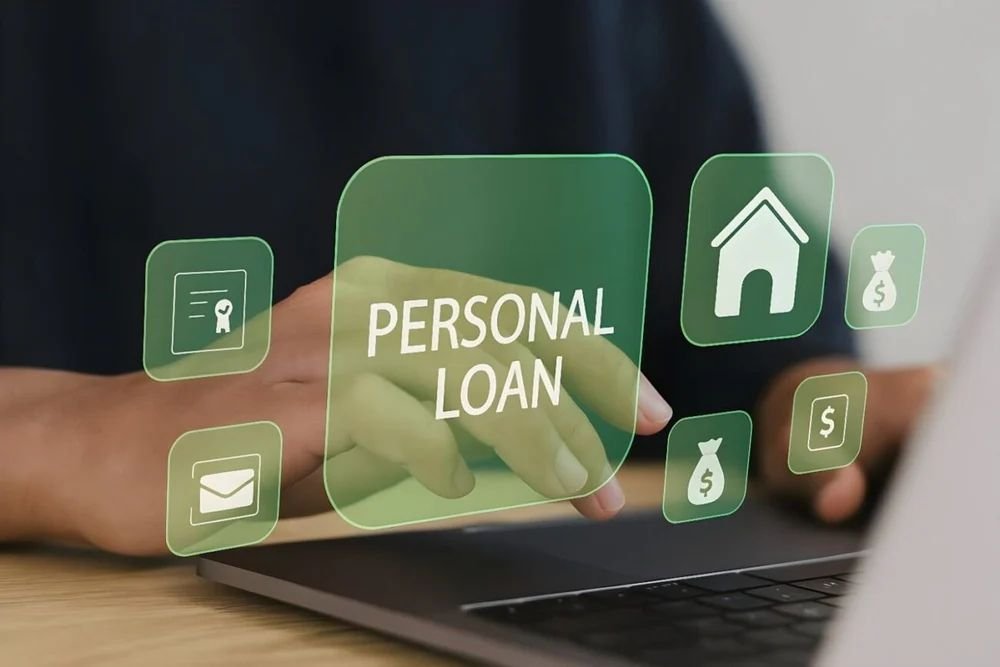
If you’re wondering if a personal loan is actually right for you, the truth is simple: it depends on what you do with the money. Think of a personal loan as a blank check from a lender. If you use it to wipe out high-interest credit card debt or fix a roof, it’s a lifesaver. If you use it to fund a vacation you can’t afford, it’s a trap.
The market is a bit of a mixed bag right now. You’ve got the massive traditional banks and the new digital players offering huge amounts of capital. Then there are the niche lenders that only care about specific credit profiles. You have to decide what you value most: speed, the lowest possible interest rate, or the freedom to pay the loan back early without getting hit with a penalty.
I’ve spent enough time looking at these products to know that “the best” option is totally subjective. Someone with a perfect credit score has a completely different playbook than someone trying to rebuild their financial reputation. Before you sign anything, you need to know who is lending, how much they’re actually willing to give, and what it’s going to cost you in the end.
Finding the Right Amount for Your Specific Goal
Lenders know that not all loans are for the same things. Some institutions focus on “big ticket” items like home improvements or medical bills, while others are built for smaller, quick-fix needs. Don’t walk into a negotiation asking for $50,000 if you only need $5,000 to fix a car transmission; you’ll just end up paying way more in interest than you should.
If you need a larger chunk of change, you might look toward lenders like Discover, where you can find online personal loans from $2,500 to $40,000. This range works well for debt consolidation, letting you take out one large loan to wipe out several smaller, high-interest balances. It makes life easier when you have one monthly payment instead of five different due dates.
However, if you need even more, some specialized lenders step up. For instance, Happen Bank offers personal loans up to $75,000, which moves you out of “small cash advance” territory and into actual long-term financing. They use a model where they win only when their customers succeed, which is a nice change from the predatory models of the past.
Then there’s the “lifestyle” borrower. Sometimes you just want to finance a wedding or a trip. In those cases, the rules change. In some places, consumer credit is a very flexible tool. For example, the French government’s service public notes that you can use a personal loan freely to finance various expenses like appliances, travel, or marriage. That flexibility is great, but you need serious discipline to make sure a “fun” purchase doesn’t haunt your budget for the next three years.
When comparing these amounts, keep this in mind: the more you borrow, the harder the lender will look at your income and job history. A $3,000 loan might be approved with a quick automated check, but $30,000 will require much more paperwork. It’s a trade-off between how fast you want the money and how much you’re willing to borrow.
The Interest Rate Chess Match
This is where most people get tripped up. You see a low rate in an ad, you click through, and suddenly the number they’re offering you is twice as high. That’s because the rate in the headline is usually the “best case scenario” for people with perfect credit. For the rest of us, the real rate is a moving target.
If you can’t get a top-tier rate, you have to look at how stable the loan is. Some lenders offer fixed interest rates, meaning your payment stays the same for the whole term. Others offer variable rates, which can be risky if the economy shifts. For example, some apps like mojaRBA offer a 5.00% fixed interest rate for clients, which gives you a lot of certainty for your monthly budget.
To help you see how different lenders stack up, I’ve put together a quick comparison based on current market trends:
| Lender Type | Typical Use Case | Primary Benefit |
| High-Credit Specialist | Debt Consolidation | Lowest possible APR |
| Digital/App-Based | Quick Cash/Small Needs | Speed and ease of use |
| Traditional/Niche | Large Life Events | Higher loan amounts |
Ever wonder why some lenders are so aggressive with their marketing? It’s because they’re willing to take on more risk. If your credit isn’t stellar, you might end up looking at OneMain Financial. They provide loans for things like home improvements or car purchases even when unexpected costs pop up. They specialize in saying “yes” when other banks say “no,” but that “yes” comes with a higher interest rate.
You have to decide which is worse: paying a higher interest rate now, or being denied the loan entirely when you need it most. It’s a tough choice. If you’re looking for the “best” overall, you might want to check out LightStream if you have good to excellent credit, or SoFi for high-balance options. They’re the big players, but they aren’t for everyone.
It’s really just a game of trade-offs. You can have the low rate with the strict requirements, or the higher rate with the easier approval. There’s no middle ground for credit scores.
Navigating the Hidden Cost of Speed
Speed is a lender’s best weapon. In a world where we can get groceries delivered in twenty minutes, we want our money just as fast. Many lenders now offer “instant” online applications. This is convenient, but always check for “origination fees.” These are basically fees the lender takes off the top before you even see the money.
If you borrow $10,000 but there’s a 5% origination fee, you only get $9,500, but you’re still paying interest on the full $10,000. That feels like a gut punch when you’ve already planned your budget around the full amount. Always look at the APR (Annual Percentage Rate) instead of just the interest rate. The APR is the only number that tells you the true cost because it includes those sneaky fees.
I’ve seen people make huge mistakes by only focusing on the monthly payment. They find a loan with a tiny monthly payment and think they’ve won. But a low monthly payment usually means a much longer term. If you take seven years to pay off a kitchen remodel instead of three, you might end up paying for that kitchen twice because of the interest. It’s a classic trap, and I’ve been there myself, so I know how easy it is to fall for it.
Before you commit to a lender like Jetzloan or any other provider, ask these three questions:
- Is there a penalty for paying the loan off early?
- Is the interest rate fixed or variable?
- What is the total dollar amount I will have paid back by the time the loan is finished?
That third question is the most important. It’s the one that tells you the actual cost of your “dream” purchase.
The Psychology of Debt and Your Next Move
Borrowing money is as much a psychological thing as a financial one. When a lump sum hits your bank account, it feels like you’re wealthier than you actually are. That’s a dangerous feeling. It can lead to a “spending spree” mindset where the money feels “free” rather than a debt that has to be repaid. This is why debt consolidation works so well; it turns a chaotic pile of debt into one single, manageable obligation.
If you’re using a loan to fix something that’s broken, like a leaking roof, you’re using debt to protect your net worth. That’s a smart move. If you’re using a loan to fund a lifestyle you can’t afford, you’re just eroding your future wealth to pay for a temporary feeling of status. The difference is everything.
When looking at your options, don’t just look at the big names. Sometimes the best deal is with a local credit union or a smaller digital bank trying to win your business. These smaller players often have more flexible terms because they don’t have the massive overhead of the giant national banks. They might offer better service or more personalized terms if you can prove you can pay them back.
A personal loan is just a tool. It’s like a hammer; it can build a house or smash something important. How you use it depends on your discipline and how much you actually read the fine print before clicking “accept.” Take your time, do the math, and don’t let a fast digital application rush your decision.
Don’t let a quick loan turn into a long-term headache.
