





What is the downside of Rybelsus?
The short answer is that your stomach might take some time to get used to it. While people often hope for a “magic pill” to fix their blood sugar, Rybelsus isn’t a shortcut. It’s a medication that works with your body, but you have to follow specific habits to get the results your doctor expects.
If you have type 2 diabetes, you already know how taxing it is. Between the constant monitoring, the diet restrictions, and the mental drain of keeping levels in check, it can feel like a full-time job you never actually applied for. That’s why the arrival of oral semaglutide caused such a stir in the medical community.
Most people associate GLP-1 medications with shots. They think of needles, refrigeration, and the awkwardness of injecting yourself at a restaurant. Rybelsus changes that by being a pill. But being a pill comes with its own rules and side effects that can trip you up if you aren’t prepared.
How an Oral Pill Mimics a Hormone
To understand how this works, look at how your body naturally handles sugar. When you eat, your gut releases hormones that tell your pancreas to start pumping out insulin. At the same time, it tells your liver to stop dumping extra sugar into your bloodstream. It’s a pretty sophisticated, automatic system.
In type 2 diabetes, that system breaks down. The signals get muffled or the response just comes too late. Rybelsus is a brand-name GLP-1 agonist that mimics those natural hormones. Instead of waiting for your body to send the signal, this medication steps in and does the heavy lifting to help lower blood sugar in adults with Type 2 diabetes.
It doesn’t work in a vacuum, though. This isn’t a substitute for a healthy lifestyle. It is a prescription medicine used along with diet and exercise to improve blood sugar in adults with type 2 diabetes. If you take the pill but keep eating high-sugar meals without any movement, you might find the results underwhelming. It’s a tool, not a total replacement for your habits.
There’s also the issue of the mechanics. Because it’s an oral medication, it has to survive the harsh environment of your stomach. This is why the instructions are so strict. If you take it with a full glass of water or a big meal, you might essentially wash the medicine straight through your system before it can be absorbed. Most people find they have to take it first thing in the morning, with no food or other meds for at least 30 minutes.
Take Mark, for example. He’s 54 and manages his diabetes while working a construction job, so timing was a real struggle for him. He tried taking it with his breakfast, but his glucose numbers wouldn’t budge. It wasn’t until he switched to taking it immediately upon waking, with just a tiny sip of water, that his A1C finally started moving in the right direction.
The Comparison Between Pills and Injections
There’s a constant debate about whether oral options are better than the injectable versions. People often ask if Rybelsus is stronger than Ozempic. The answer isn’t a simple yes or no. Both contain the same active ingredient, semaglutide, but the delivery method changes how much actually makes it into your blood.
When you inject semaglutide, you’re ensuring a high level of the drug enters your system directly. With a pill, the absorption rate is much lower. This means you might need a different dosing schedule to achieve the same effect. This is why some people prefer the convenience of a pill, while others stick to shots because they want guaranteed potency.
The following table breaks down how these two options generally compare in a clinical context:
| Feature | Rybelsus (Oral) | Injectable Semaglutide |
|---|---|---|
| Administration | Daily Pill | Weekly Injection |
| Ease of Use | High (No needles) | Moderate (Requires needles) |
| Absorption | Lower (Highly sensitive) | High (Direct entry) |
| Timing | Strict morning rules | Flexible timing |
Many patients find the psychological benefit of avoiding needles is worth the strict morning routine. If you have “needle phobia,” the pill is a massive win. But if you forget things easily, that “empty stomach” requirement can be a hurdle. You can buy Rybelsus through various channels, but the success of the medication depends heavily on whether you can stick to those morning rules.
Keep in mind that “stronger” is a relative term. A medication is only as strong as its ability to stay in your system. If you mess up the timing, even the most potent drug in the world won’t help you. We see patients struggle with this all the time; they think they aren’t “responding” to the med, but really, they are just taking it with too much water.
Managing the Side Effects and Digestive Realities
Let’s be honest about the downside: your stomach might not be happy at first. Because GLP-1 medications slow down gastric emptying, meaning food stays in your stomach longer, you might feel full much faster or feel a bit nauseated. This is common when you first start or when your doctor increases your dose.
The most frequent complaints involve nausea, vomiting, or diarrhea. These aren’t usually permanent, but they can be unpleasant during the first few weeks. Your body is essentially learning a new way to process energy and signals. For most, these symptoms subside as the body adjusts. If they don’t, that’s when you need to call your doctor.
Common side effects include:
- Nausea or upset stomach
- Diarrhea
- Decreased appetite
- Vomiting
- Abdominal pain
If you feel nauseated, it’s often a sign to eat smaller, more frequent meals instead of three large ones. Large, greasy, or heavy meals tend to make the nausea much worse. Instead of a big pasta dish, try a handful of almonds or a small piece of toast. It sounds simple, but it makes a massive difference in how you feel all day.
Don’t ignore the warnings, either. While Rybelsus is used to control blood sugar and reduce A1C levels, it isn’t for everyone. People with a history of certain types of thyroid cancer or those with pancreatitis need to be extremely cautious. Always be transparent with your healthcare provider about your full medical history, especially anything involving your pancreas or thyroid.
Dosing and the Learning Curve
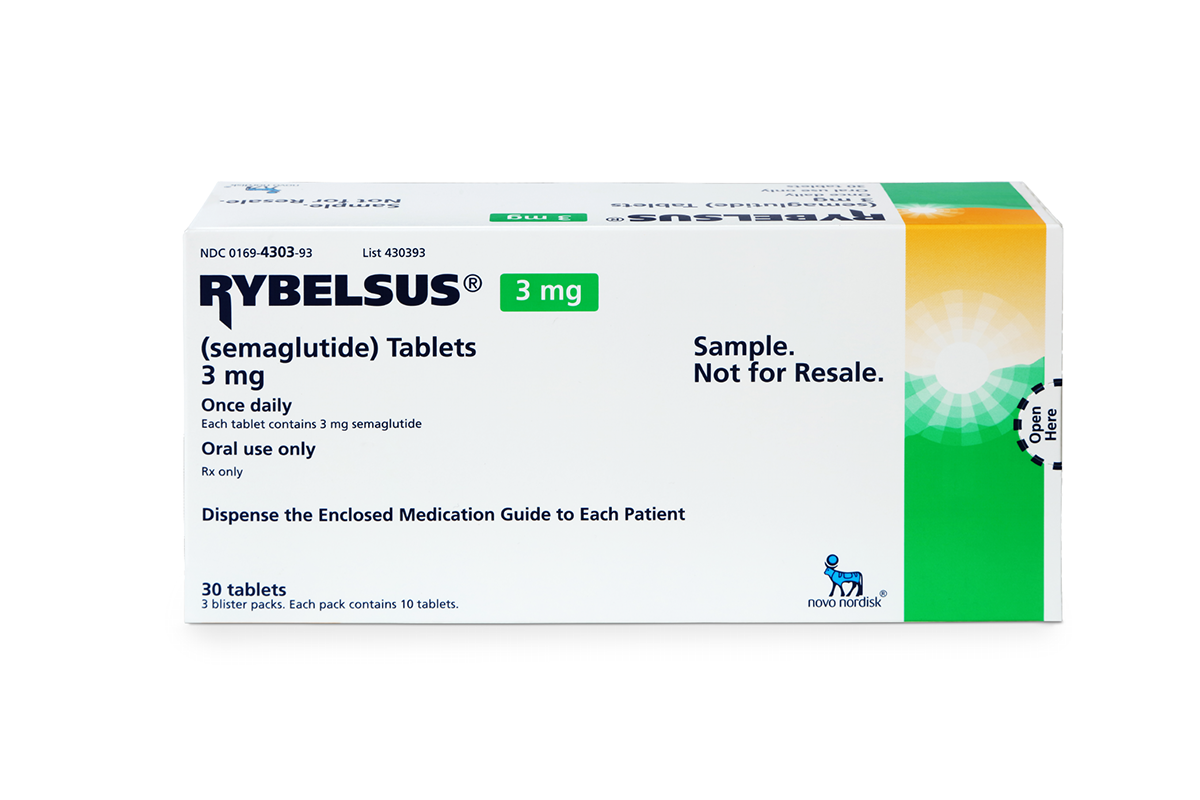
You won’t walk into a pharmacy and get a high dose of Rybelsus on day one. Dosing starts low so your body can acclimate. Typically, you start with a 3 mg dose for the first few weeks. This is a “starter” dose meant to get your system used to the medication without causing extreme nausea.
After that, the dose is often increased to 7 mg or even 10 mg, depending on what your doctor thinks is best for your blood sugar levels. This titration is a standard part of the process. It’s a slow climb, not a sudden leap. If you skip doses or try to double up because you forgot one, you’re going to have a bad time with your stomach.
It is also important to understand that Rybelsus is meant for long-term management. It’s not a “quick fix” for a single high blood sugar reading. It works over time to help lower your overall A1C levels. Consistency is the most important factor here. If you are inconsistent, your blood sugar will likely reflect that.
Some people ask if it’s safer than metformin. Metformin has been the gold standard for a long time. It’s cheap, effective, and well-understood. Rybelsus is a different beast entirely. It’s often used as an add-on or a switch for people who can’t tolerate metformin or who need something more aggressive to reach their A1C goals. Whether it is “safer” depends entirely on your individual health profile and how your kidneys and pancreas respond.
Making it Work with Your Lifestyle
The reality is that no pill exists in a vacuum. You can take the best medication on the market, but if your lifestyle doesn’t support it, you’re fighting an uphill battle. We see this most clearly when people rely too heavily on the medication’s ability to suppress appetite without actually changing their nutritional choices.
A successful approach involves three things: the medication, the movement, and the meals. The medication handles the hormonal signals; the movement improves insulin sensitivity; and the meals provide fuel that doesn’t cause massive glucose spikes. When all three are in sync, that is when you see the real results in your lab work.
For example, consider someone who takes their Rybelsus, walks for 20 minutes after dinner, and chooses a salad over a burger. Their blood sugar stability will be vastly different than someone who takes the pill but stays sedentary and eats high-carb meals. The medication is the foundation, but you still have to build the house.
Managing type 2 diabetes is a marathon. Rybelsus is a powerful tool in that journey, providing a way to manage sugar without the need for weekly injections. It requires discipline regarding timing and an awareness of how your body reacts to the dosage, but for many, it is a significant step toward better metabolic health.
