






Exploring the mechanics behind iconic gambling games
The History of Gambling Games
The world of gambling has a rich history that dates back thousands of years, evolving from simple pastime activities to complex games of chance and strategy. The first recorded evidence of gambling can be traced to ancient China, where rudimentary forms of dice were used. As civilizations progressed, various cultures developed their own games, with the Romans and Greeks contributing significantly to the variety and sophistication of gambling experiences. This historical journey reflects not only human creativity but also a fundamental desire for entertainment and risk. For those interested, pirots5.org.uk offers a comprehensive perspective on this evolution.
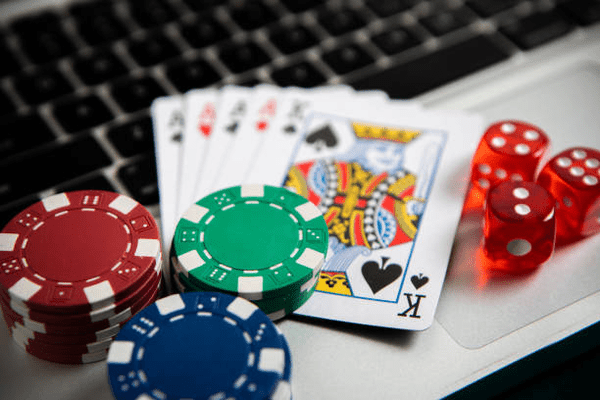
In the Middle Ages, gambling took on new dimensions with the introduction of card games, which quickly spread across Europe. The invention of printing allowed for the mass production of playing cards, making games more accessible. By the 17th century, various forms of gambling, including lotteries and early casinos, emerged, laying the groundwork for modern gambling establishments. This evolution was marked by a continuous interplay between legality, morality, and societal acceptance, influencing how games are perceived today.
The 20th century saw a major shift in gambling, particularly with the legalization of casinos in various jurisdictions. The introduction of electronic gaming machines in the late 20th century revolutionized the gambling landscape, leading to the rise of slot machines and video poker. Today, online gambling has transformed the industry further, enabling players from around the world to engage in their favorite games from the comfort of their homes. This historical progression highlights how gambling has always adapted to societal changes while maintaining its allure.
Understanding Game Mechanics
The mechanics of gambling games involve a combination of chance, strategy, and player choice, influencing both the experience and outcomes. Most games are designed around probability, where players wager on uncertain events, from dice rolls to card hands. Understanding these underlying mechanics is crucial for players, as it enables them to make informed decisions. For instance, in games like blackjack, the basic strategy can significantly lower the house edge, enhancing the player’s chances of winning.
Slot machines, one of the most popular forms of gambling, rely heavily on random number generators (RNGs) to determine outcomes. Each spin is independent, and the results are completely random, which means that no strategy can influence the outcome. However, players often look for patterns or indicators of ‘hot’ or ‘cold’ machines, even though each game operates under the same mathematical principles. Understanding the RTP (Return to Player) percentage is also crucial, as it provides players with an idea of the expected payout over time.
Games like poker introduce a layer of strategy not present in purely chance-based games. Players must assess their opponents’ behaviors and betting patterns while managing their own resources. The mechanics in poker involve bluffing, psychology, and skill, differentiating it from games such as roulette, where outcomes are solely based on luck. Understanding these mechanics not only enhances the enjoyment of the game but also contributes to a more responsible gaming approach.
The Role of Odds and Payouts
Odds and payouts are fundamental components that define the mechanics of gambling games. In essence, odds represent the probability of a specific outcome occurring, while payouts indicate how much a player stands to win based on their wager. Different games present varying odds; for example, in roulette, the odds of hitting a single number are 35 to 1, while in blackjack, the odds shift with the number of decks used and the player’s strategy. Understanding these odds helps players assess the potential risk and reward before placing their bets.
Payouts are calculated based on the house edge, which is the casino’s built-in advantage over the players. This edge varies across games and can significantly impact long-term player success. For instance, games like baccarat offer relatively low house edges, making them more favorable to players, while slot machines typically have higher house edges. By grasping these concepts, players can make more strategic choices, improving their overall gaming experience.
Moreover, the thrill of gambling is often intertwined with the excitement of potential payouts. Many iconic games incorporate progressive jackpots or bonus features that can lead to substantial rewards. In games like Mega Moolah, players are enticed by the prospect of life-changing wins, which can often be traced back to the game’s mechanics and how they handle odds and payouts. Understanding the intricacies of these elements allows players to enjoy the thrill responsibly and strategically.
The Impact of Technology on Gambling Games
Technology has revolutionized the gambling industry, transforming traditional games into interactive experiences. With the advent of online casinos, players can access their favorite games anytime and anywhere. This shift has introduced new mechanics, such as live dealer games, where real dealers interact with players via video streaming, bridging the gap between physical and digital gambling. This immersive experience enhances player engagement and adds an authentic feel to online gambling.
The introduction of mobile gaming has further expanded the reach of gambling, enabling users to enjoy games on the go. Mobile apps provide instant access to a wide range of games, complete with unique features and optimized interfaces. This technological advancement allows for innovative mechanics, such as touch and swipe functions, enhancing the user experience. It has also led to the rise of gamification, where elements like points, badges, and leaderboards encourage player interaction and competition.
Additionally, technology has significantly improved game transparency and fairness through the use of blockchain and provably fair systems. These advancements ensure that outcomes are random and verifiable, fostering player trust and confidence. This evolution highlights how technology not only enhances the gaming experience but also addresses crucial aspects of fairness and security in the gambling industry.

Discovering More on Gambling Mechanics
For those eager to delve deeper into the mechanics of iconic gambling games, our website serves as a valuable resource. Whether you’re a beginner or a seasoned player, we provide extensive guides on various games, ensuring you have all the information needed to make informed decisions. From understanding the rules of each game to learning effective strategies, our platform equips players with the knowledge required to navigate the gambling landscape.
We offer reviews of popular games, including unique features, RTP, and payout potentials. Our detailed insights empower players to choose games that align with their preferences and risk tolerance. Additionally, we provide a safe environment to explore new games, including free demos, allowing players to test their skills without financial risk. This hands-on approach enhances the learning experience, making it easier for beginners to grasp the mechanics.
Ultimately, our goal is to create an informed community of players who enjoy gambling responsibly. By focusing on the mechanics behind iconic games, we aim to enhance your understanding and enjoyment of gambling, ensuring that every gaming experience is both entertaining and responsible. Join us as we explore the intricate world of gambling games and discover the strategies that can elevate your play.
