


When the temperature rises, having a functional air conditioner is essential for maintaining a comfortable home environment. However, if you find that your AC unit is not turning on, it can quickly turn your sanctuary into an uncomfortable space. Understanding the reasons behind this malfunction is vital for promptly addressing the issue. This article will explore the common causes of an air conditioner not turning on and provide effective troubleshooting steps to get your cooling system back in action.
How Air Conditioners Function
To address the problem of your air conditioner not engaging, it is beneficial to have a basic understanding of how these systems operate. A typical air conditioning unit comprises various components that work together to cool indoor spaces:
- Evaporator Coil: The indoor unit that absorbs heat from the air inside your home.
- Compressor: Often referred to as the heart of the system, it pumps refrigerant throughout the air conditioning unit.
- Condenser Coil: Located outdoors, it expels the collected heat into the atmosphere.
- Expansion Valve: Regulates refrigerant flow and pressure to optimize cooling efficiency.
- Thermostat: Controls system operations by signaling when to initiate or cease cooling based on indoor temperatures.
The cooling cycle begins when warm air circulates through the evaporator coil, where the refrigerant absorbs heat and converts from a liquid to a gas. The compressor then pressurizes this gas, raising its temperature before it travels to the outdoor condenser coil, releasing heat as it condenses back into a liquid state. This process repeats continuously, maintaining a cool indoor climate.
Common Reasons Your AC Unit Is Not Turning On
If your air conditioning unit is not activating, several potential issues could be at play. Diagnosing these problems can help you quickly restore cool air to your home:
Power Supply Issues
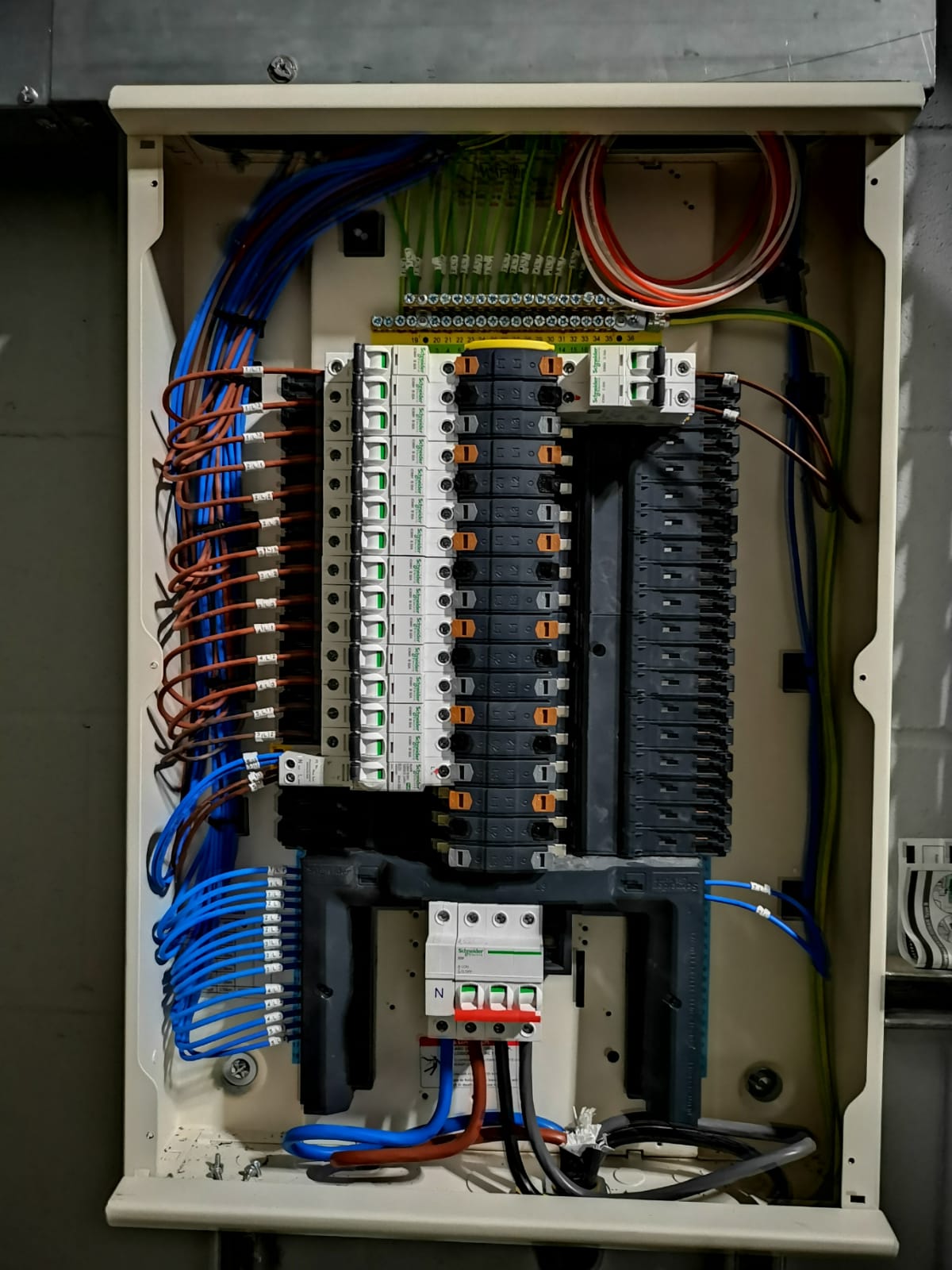
The most prevalent cause of an AC unit not turning on is power supply problems. This often stems from a tripped circuit breaker or a blown fuse. Checking your electrical panel is the first step in troubleshooting. If you find that the AC’s breaker has tripped, reset it. However, exercise caution; if it trips again immediately, you may have a more significant electrical issue that needs professional attention. In systems utilizing fuses, inspect them for damage or burning and replace any blown fuses.
Faulty Thermostat
Your thermostat plays a critical role in regulating your air conditioning system. A malfunctioning thermostat might not accurately sense the temperature or send proper signals to the AC unit. Ensure that it is set to cooling mode and that the temperature setting is below the current indoor temperature. If necessary, replace batteries in battery-operated models or consider recalibrating or replacing outdated thermostats.
Clogged Air Filters or Ducts
Air filters in your HVAC system should be checked regularly and changed as needed. Clogged filters restrict airflow and can cause your system to overheat or shut down completely as a safety measure. Similarly, check ducts for blockages that may inhibit airflow and prevent proper cooling.
Additional Troubleshooting Steps
If you’ve checked for power supply issues and have ruled out a faulty thermostat and clogged filters but are still facing an AC unit not turning on situation, consider these additional steps:
- Inspect outdoor components for debris or obstructions around the condenser coil.
- Listen for unusual sounds when attempting to turn on your AC, which may indicate mechanical failures.
- Check refrigerant levels; low refrigerant can prevent the system from operating efficiently.
If all else fails and your air conditioner still refuses to turn on after following these troubleshooting steps, it might be time to call in a professional technician to address the issue, especially if you’re dealing with problems like ac unit not turning on. Ignoring persistent issues can lead to further damage and costly repairs down the line. Investing in regular maintenance checks can also help prevent future breakdowns and ensure your air conditioning system operates at peak efficiency.
The Importance of Regular Maintenance
One of the most effective ways to prolong the life of your air conditioning system and prevent issues such as it not turning on is through regular maintenance. Scheduling annual inspections with a qualified HVAC technician can catch potential problems early and keep your system running efficiently. These maintenance visits typically include checking refrigerant levels, cleaning coils, inspecting ductwork for leaks, and ensuring all electrical components are functioning correctly.
Moreover, regular maintenance can enhance energy efficiency. An efficiently running AC unit consumes less energy, which translates into lower utility bills—a win-win situation! Furthermore, many manufacturers recommend routine maintenance as part of their warranty terms; failing to adhere could void your warranty coverage if something goes wrong.
In addition to professional maintenance, homeowners can also perform simple tasks themselves. For instance, regularly cleaning or replacing air filters can significantly improve airflow and performance. Make it a habit—schedule filter checks monthly during peak use seasons and replace them at least every three months or sooner if necessary.
When to Call for Professional Help
Remember that some problems require specialized knowledge and tools best handled by certified HVAC professionals. If you’re unsure about the issue or if your attempts at troubleshooting prove unsuccessful, don’t hesitate to seek expert assistance. Professional technicians have experience diagnosing complex issues and can recommend appropriate solutions to restore comfort in your home.
In conclusion, understanding why your AC unit is not turning on can help you troubleshoot many common problems effectively. Whether it’s power supply issues, faulty thermostats, or clogged filters, addressing these concerns promptly can save you time and money while keeping your living space cool and comfortable during hot summer months. If questions persist regarding your specific situation with an ac unit not turning on, please refer to professional resources or reach out to an HVAC expert for further guidance.
If you found this information helpful but are still struggling with larger issues related to HVAC systems, consider exploring online forums or neighborhood groups where you can share experiences with others facing similar situations. Engaging with fellow homeowners might provide additional insights into solutions that worked for them—because sometimes two heads are better than one! Don’t forget about local appliance stores that may offer seminars on air conditioning care too!
Finally, stay proactive about maintaining optimal conditions in your home environment by regularly assessing both heating and cooling systems at least twice yearly—once before summer begins and again before winter settles in. Awareness combined with routine upkeep will ensure healthier indoor air quality and functional appliances year-round!
